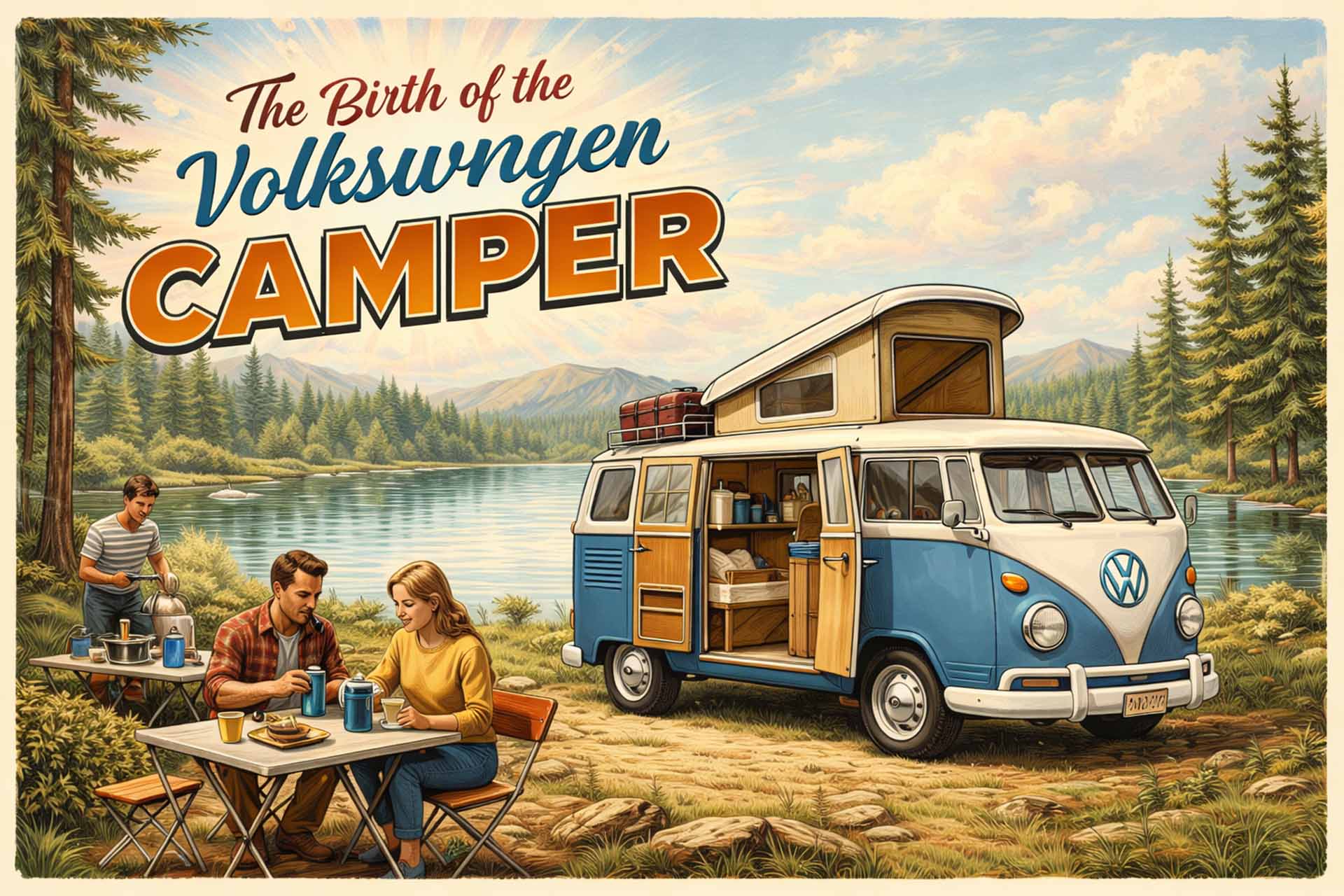
The history of the Volkswagen camper begins in 1950 with the introduction of the Volkswagen Type 2 Transporter — a simple, practical van that would eventually become one of the most recognisable lifestyle vehicles in the world.
Originally designed as a workhorse for tradespeople and small businesses, the Transporter quickly proved it could be much more than a cargo vehicle. Its flat floor, compact size, and reliable engineering made it perfect for conversion into a small travelling home.
Over the decades, Volkswagen campervans have carried surfers to the coast, families on holidays, musicians to festivals, and travellers across entire continents. For many owners, the camper isn’t just transport — it’s a gateway to freedom, exploration, and a slower way of travelling.
In the UK, camper culture has grown into something much bigger than just vehicles. It’s about road trips to Cornwall, evenings around campsite barbecues, VW shows across the country, and the shared excitement of planning the next journey.
That sense of community and passion for the lifestyle surrounding these vans is exactly what brands like Volkstoff celebrate — the real people and real stories behind the vehicles.
When you look at the history of the Volkswagen camper, it’s clear that these vans were never just about transport. From early utility vehicles to modern camper conversions, each generation helped shape the travel culture that surrounds Volkswagen vans today.
The Volkswagen Type 2 Transporter first rolled off production lines in 1950.
It was designed as a lightweight commercial vehicle that could move goods efficiently around post-war Europe. However, the Transporter’s layout — with a rear-mounted engine and a spacious cargo area — made it incredibly versatile.
Before long, people began experimenting with converting the vans for travel.
The most famous early camper conversions came from Westfalia, a German company that began installing practical interiors into the vans.
Early camper features included:
This idea of a vehicle that could double as transport and accommodation was revolutionary at the time.
The campervan concept was born.
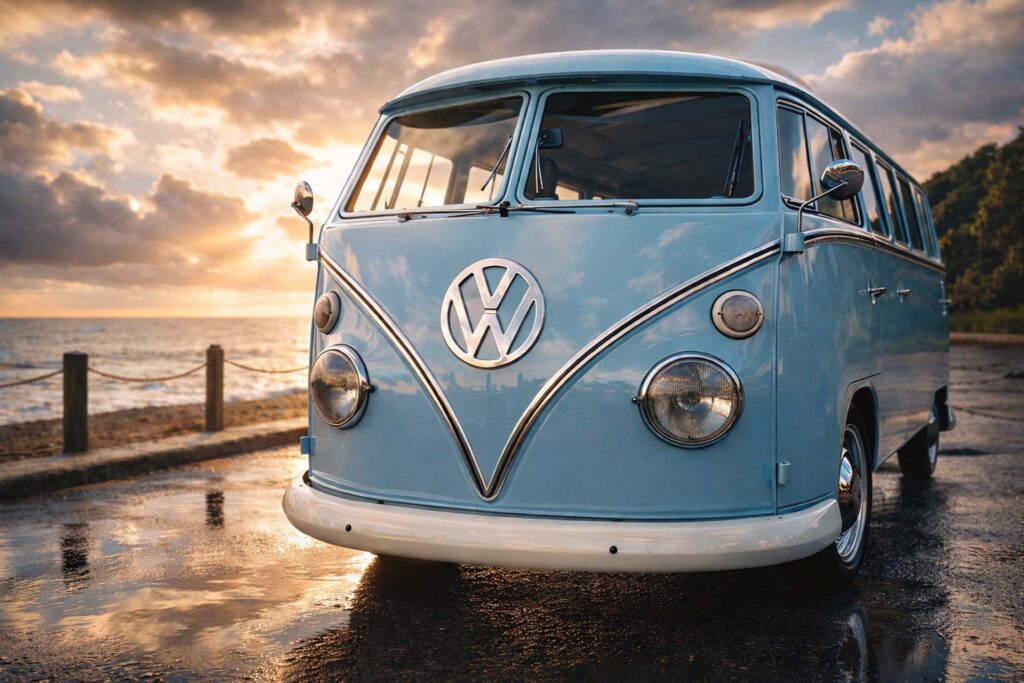
The first generation Transporter, now known as the T1 Split Screen, quickly became an icon.
Its instantly recognisable design featured:
During the 1950s and 1960s, the split screen campervan became deeply tied to youth travel and freedom.
They appeared everywhere from:
Owners personalised their vans with colourful paint, handmade interiors, and creative storage solutions.
The history of the Volkswagen camper really began to take shape during the split screen era when the T1 became a symbol of travel and independence.
Even today, restored split-screen campers remain centrepieces at classic VW shows across the UK.
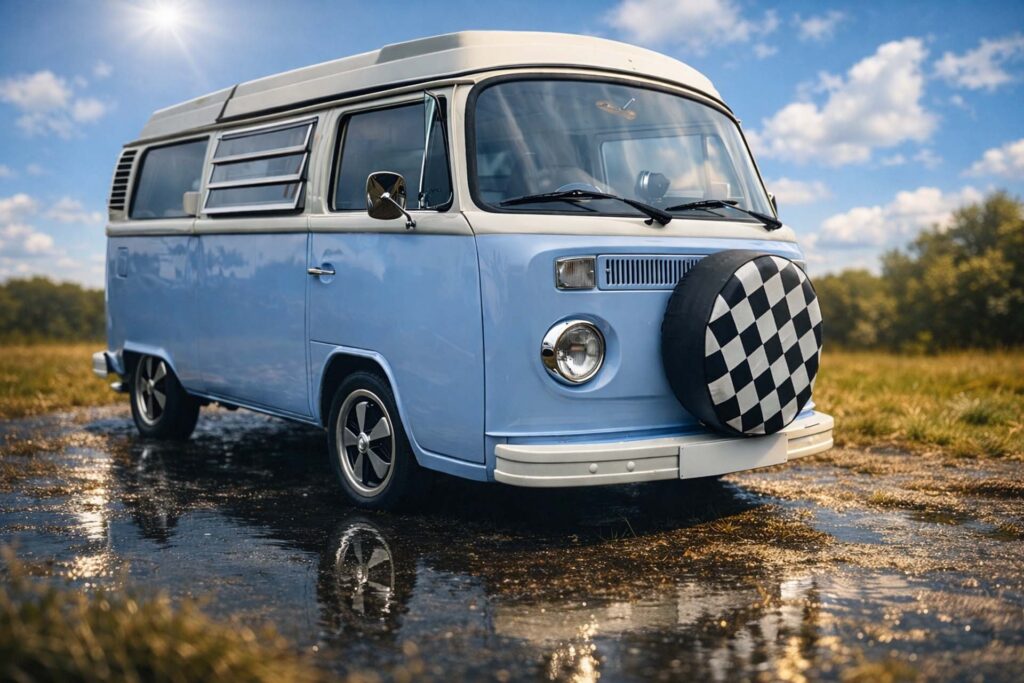
In 1967 Volkswagen introduced the T2 Bay Window, which replaced the split windscreen with a single curved window.
This generation offered:
The T2 became the campervan of the 1970s and remains one of the most loved classic VW vehicles today.
It was during this era that campervan travel really took hold.
Travellers discovered the joy of:
Many of the traditions still associated with campervan culture today began with these vans.
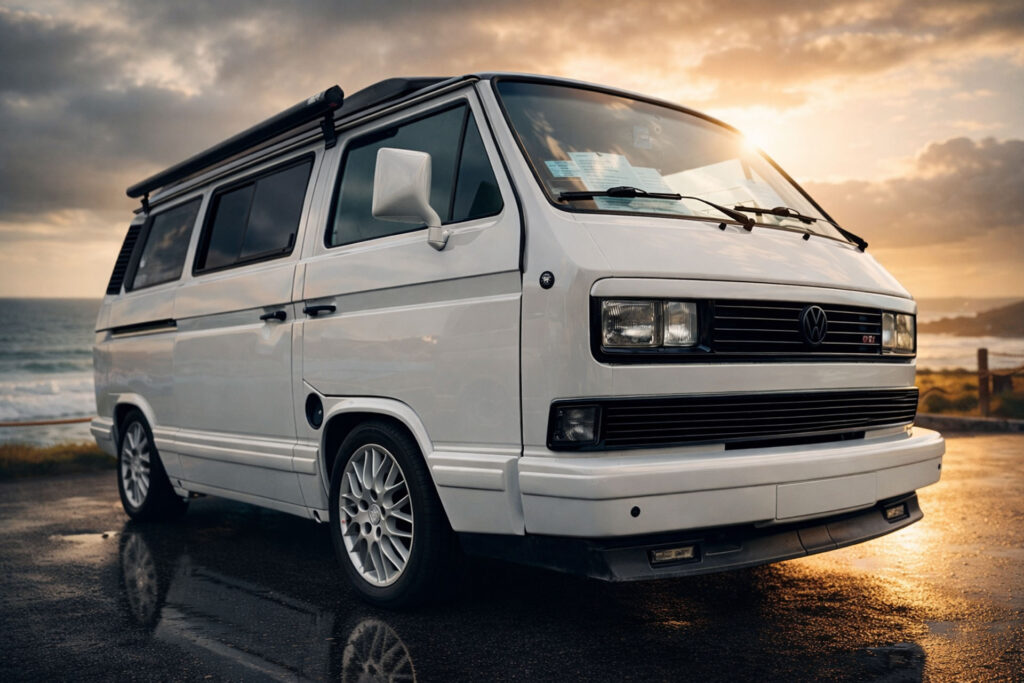
Over the following decades, the Volkswagen Transporter continued evolving through several generations.
T3 (1979–1992)
A more angular design that increased interior space and comfort.
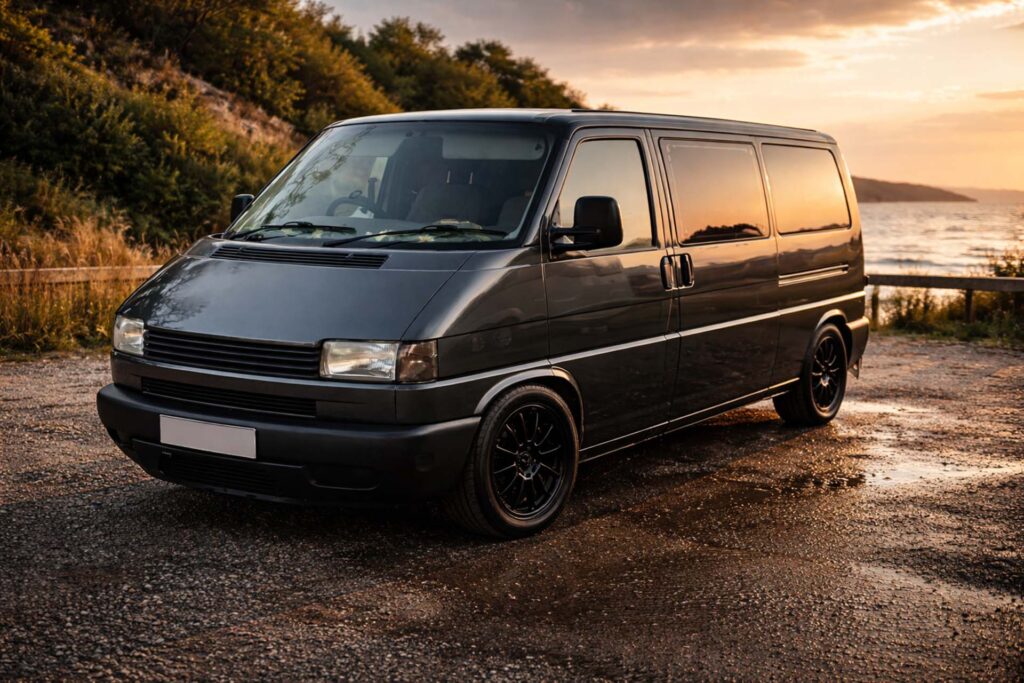
T4 (1990–2003)
The first front-engine Transporter, which improved driving dynamics and practicality.
T5 (2003–2015)
One of the most popular bases for camper conversions in the UK.
T6 / T6.1 (2015–present)
Modern Transporters featuring advanced safety systems, improved engines, and highly refined interiors.
Looking at modern Transporter conversions shows just how far the history of the Volkswagen camper has evolved since the first Westfalia models.
Today’s Transporters are reliable enough to be daily drivers while still serving as excellent camper platforms.
What makes Volkswagen campers special isn’t just the vehicles — it’s the culture that surrounds them.
Owning a camper often leads people into a wider world of:
The vans encourage creativity and independence. Each owner builds their van around how they travel.
Some focus on weekend trips. Others plan long journeys across Europe.
But the shared theme is always the same — freedom on the road.
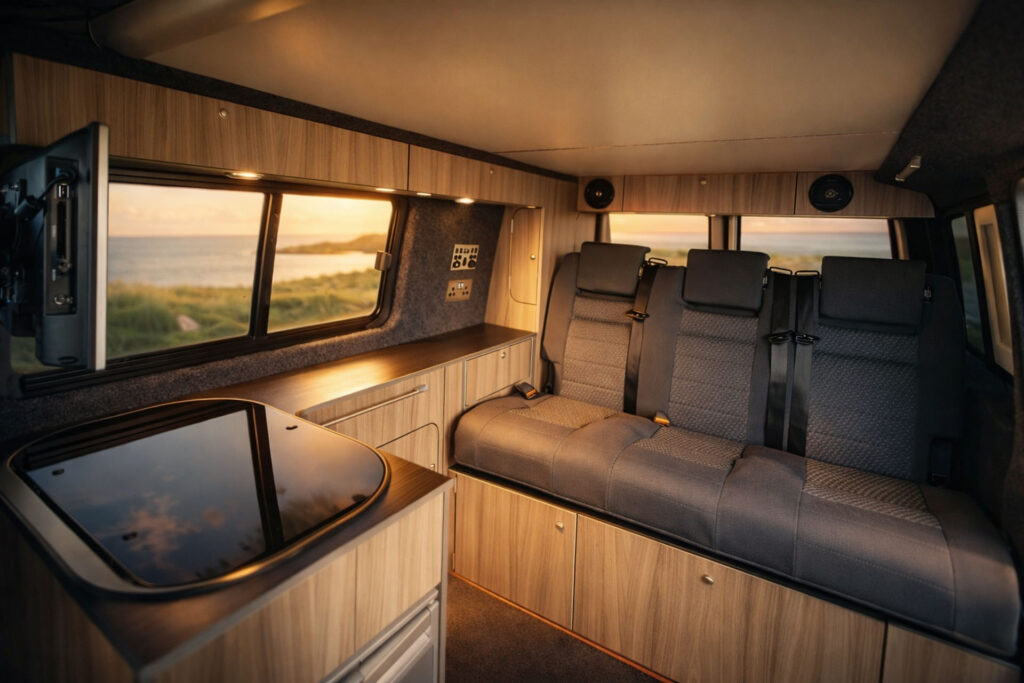
Modern camper conversions have taken the practicality of the Transporter to a whole new level.
Today’s vans often include:
Many UK companies specialise in turning standard Transporters into fully equipped campers.
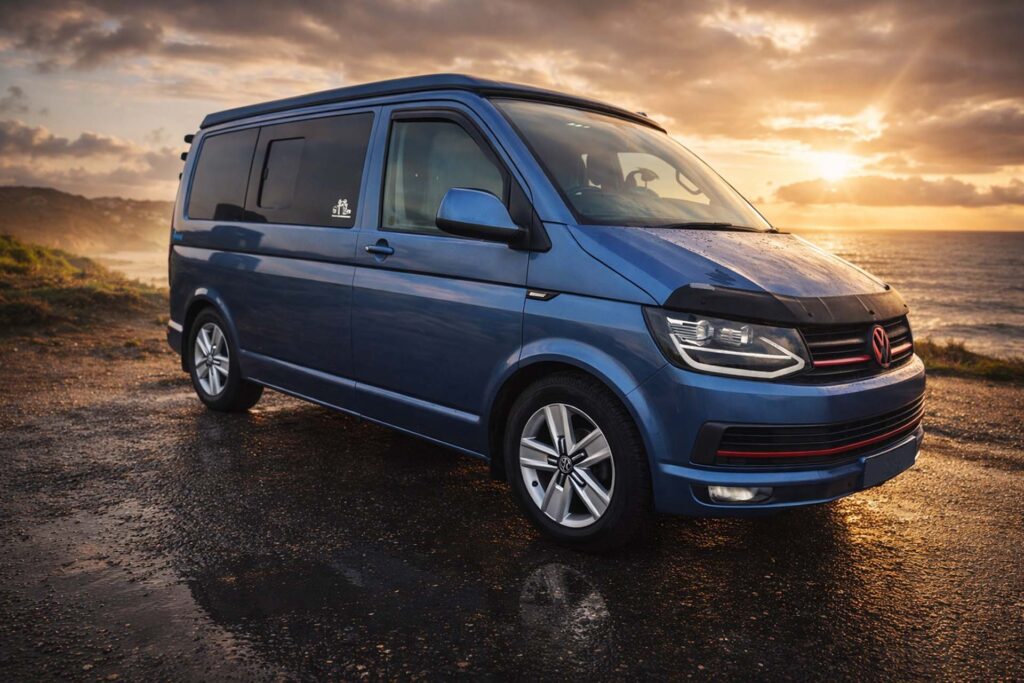
One example is Vanscape, a conversion company known for transforming the Volkswagen Transporter T6 into comfortable, well-designed campervans built for real travel.
From personal experience, my parents own a Vanscape T6 conversion, and their experience has been overwhelmingly positive.
What stands out about the conversion is how practical and thoughtfully designed everything feels.
The layout makes excellent use of the available space, with features such as:
For weekend getaways or longer road trips, the van provides everything needed while still being compact enough to drive easily day to day.
If you’re curious about modern conversions, you can explore Vanscape here:
Seeing how these vans are built really highlights how far camper conversions have come since the early Westfalia models.
Perhaps the most special part of camper culture is the community around it.
Across the UK, Volkswagen camper owners regularly gather at:
People share ideas, stories, and inspiration for future builds and road trips.
It’s this community spirit — the conversations around the vans, the shared coffee at campsites, the appreciation for well-built campers — that keeps the culture alive.
That sense of shared enthusiasm is something Volkstoff aims to represent through its storytelling and automotive lifestyle products, celebrating the people behind the vehicles as much as the vehicles themselves.
Looking back at the history of the Volkswagen camper, it’s remarkable how a simple work van evolved into one of the most beloved travel vehicles ever built.
From early split-screen campers to modern T6 conversions, each generation has shaped the campervan lifestyle we know today.
For many people, owning a VW camper isn’t just about the vehicle — it’s about the freedom to travel, the creativity of building a van that suits your life, and the community you become part of along the way.
And whether you’re restoring a classic T2 or heading out for a weekend road trip in a modern Transporter, you’re taking part in a tradition that stretches back more than seventy years.
Understanding the history of the Volkswagen camper helps explain why these vans continue to inspire such a strong community today.
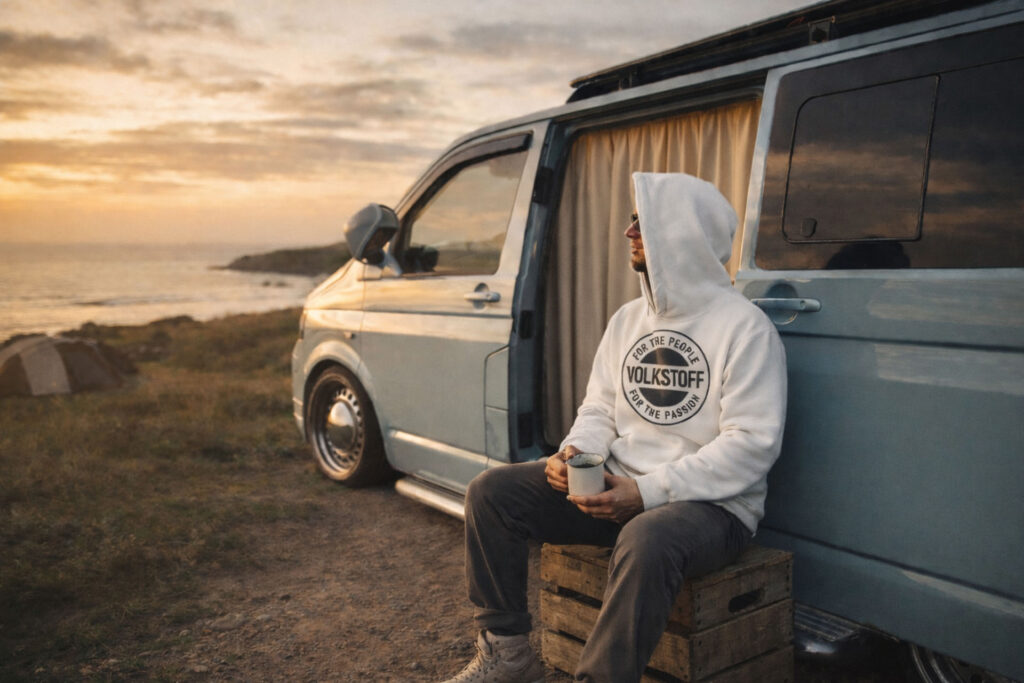
Explore more VW culture stories, campervan lifestyle inspiration, and automotive community gear at Volkstoff — For the People. For the Passion.