No products in the cart.



THE VOLKSTOFF WORKSHOP
Cold mornings. Dark roads. Keep the van ready for whatever winter brings.
Researched guide · Reviewed 20 November 2026. This is a practical checklist, not a hands-on test of the products mentioned. The section marked Ad contains an affiliate link: VOLKSTOFF earns commission on qualifying purchases made through that link.
These VW winter checks are a starting point for the school run, work miles and weekends away when the show calendar slows down. Start with the vehicle you actually have, the way it is loaded and the maintenance information that belongs to it.
A T4, a T5 and a newer Transporter do not share one universal shopping list. Use your handbook and service records first. This guide concentrates on checks and buying decisions; it does not replace servicing or fault diagnosis.
Clean the glass and mirrors, test the washers and inspect the wiper blades. Smearing, splits and missed patches are reasons to investigate. Match replacement blades to the correct vehicle and fitting rather than choosing by van generation alone.
Choose screenwash with frost protection suitable for the forecast, following its mixing instructions. Check the demisters work and clear ice fully before moving. Do not run wipers that are frozen to the screen. The Met Office winter-check guide explains the visibility and fluid checks.
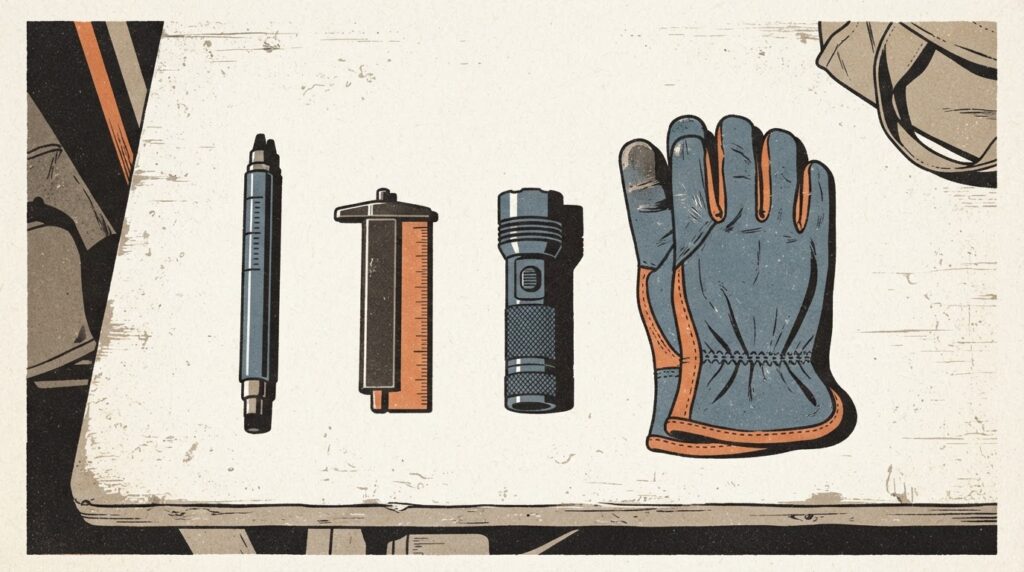
Check tyre pressures when cold against the vehicle information for the load you carry. Inspect the tread and sidewalls, including the spare where fitted. A camper conversion, changed wheels or a heavily loaded van deserves particular attention: ask a competent tyre specialist if the correct specification is unclear.
Cars and light vans need at least 1.6mm of tread across the central three-quarters and around the whole circumference. Cuts, bulges or unusual wear need attention even when tread remains. Clean and test the headlights, rear lights, indicators and brake lights. See the Highway Code’s vehicle-maintenance guidance.
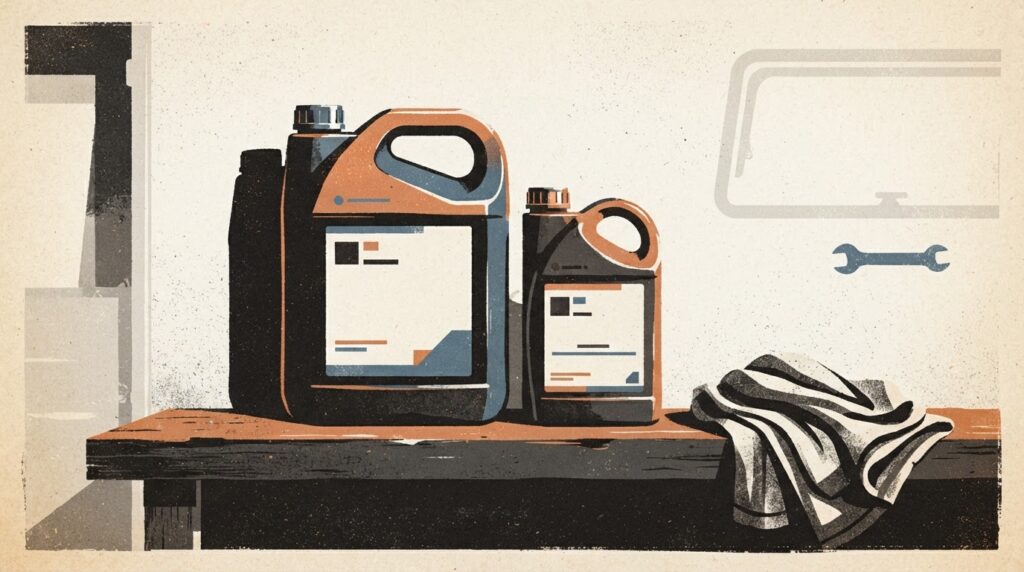
Follow the handbook when checking oil and other fluid levels. For a water-cooled engine, check coolant only when the engine is cold. A sudden drop needs investigation, not repeated topping up. Use the required specification and concentration; do not choose coolant by colour alone.
With an older or modified VW, find out what is already in the system before adding anything. If records are missing, a garage can establish what is appropriate. Air-cooled vehicles do not have an engine-coolant check, so use the maintenance schedule for your particular model.
If starting has become sluggish or the battery is struggling, arrange a battery and charging-system check. Buying a battery without identifying the cause can leave the original problem unresolved. Follow vehicle-specific instructions for replacement and charging.
For a camper, treat the starter battery and the camping electrical system as separate checks. Do not assume that a leisure-battery charger is suitable for the starter battery. Keep the relevant charger manuals with your van’s service information.
A clear windscreen and a charged phone matter more than another gadget. Keep an ice scraper, de-icer, torch, warm layers, drinking water and suitable snacks accessible. Add what your passengers need, rather than burying everything under the camping kit.
Check the route and forecast before setting off. National Highways’ T.R.I.P. advice covers preparation, tyres, fluids and rest stops. In icy or snowy conditions, the Highway Code advises travelling only when the journey is essential.
BUY SMARTER
Keep a short list of what needs attention and tackle the essentials first. If a warning light, braking problem, leak or damaged tyre makes you doubt the van’s condition, get it assessed before driving. GOV.UK’s roadworthiness checklist is a useful starting point.
For more from the community, visit VOLKSTOFF GEAR, read Dan’s story with his T4 Elain, or plan ahead with our 2027 VW events directory.
For the People. For the Passion.