

Garage life VW culture is something every Volkswagen Transporter owner eventually understands. While people often see vans parked beside beaches, lined up at shows, or set up at campsites, those moments only tell part of the story.
Behind almost every Transporter is time spent in a garage, on a driveway, or in a workshop learning the vehicle and solving problems. Vans rarely stay perfect forever, and when things go wrong the garage becomes the place where owners start to understand their vehicles properly.
Volkswagen Transporters have always attracted people who enjoy being involved with their vehicles. Since the first Transporter appeared in 1950, these vans have served as work vehicles, campers, travel vans, and family cars. That versatility naturally leads many owners into learning how their vans work.
That hands-on experience is exactly why garage life VW culture sits right at the heart of the community.
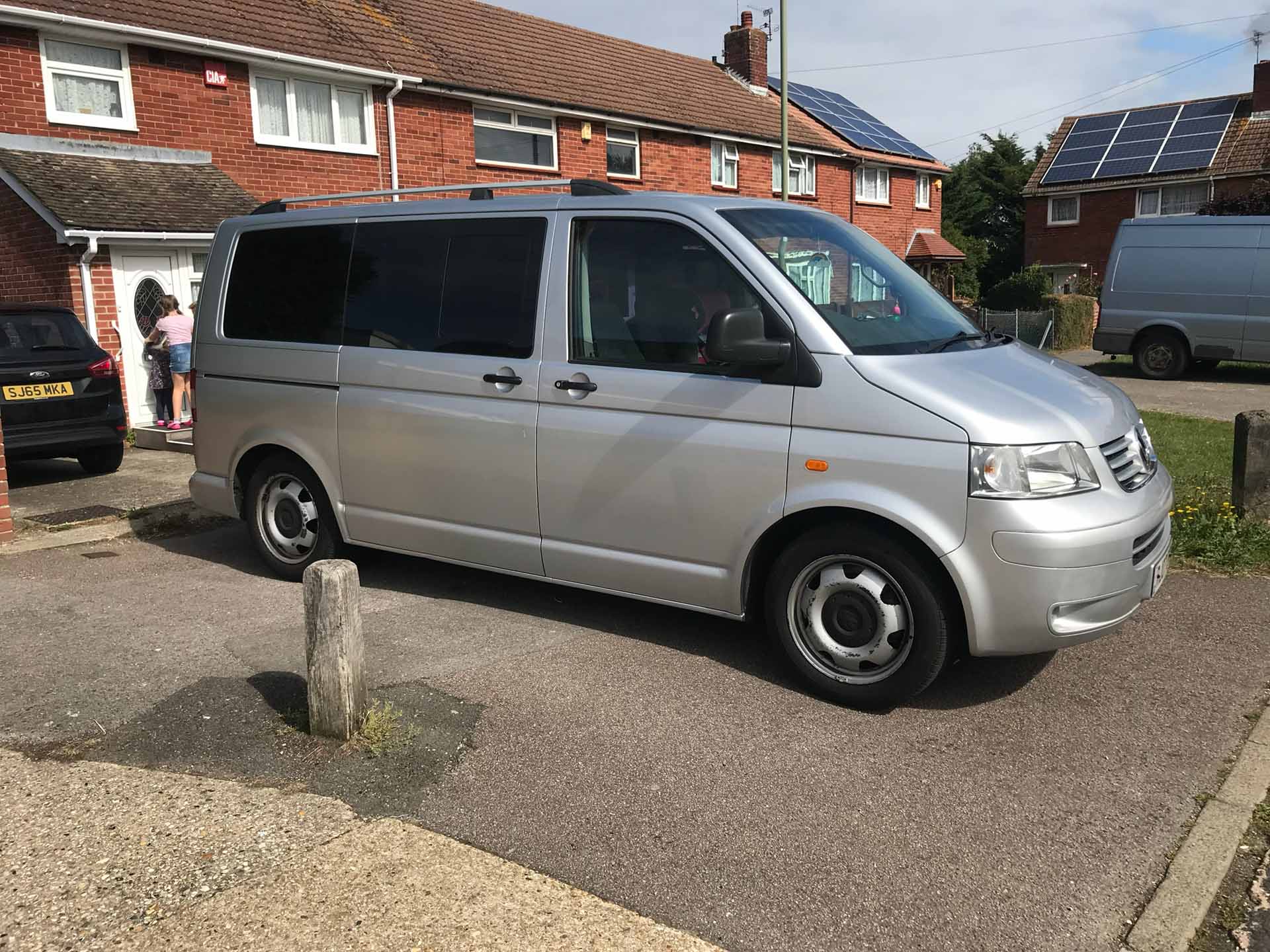
For me, that lesson came through a silver T5 that many friends will remember — a van called Clanky.
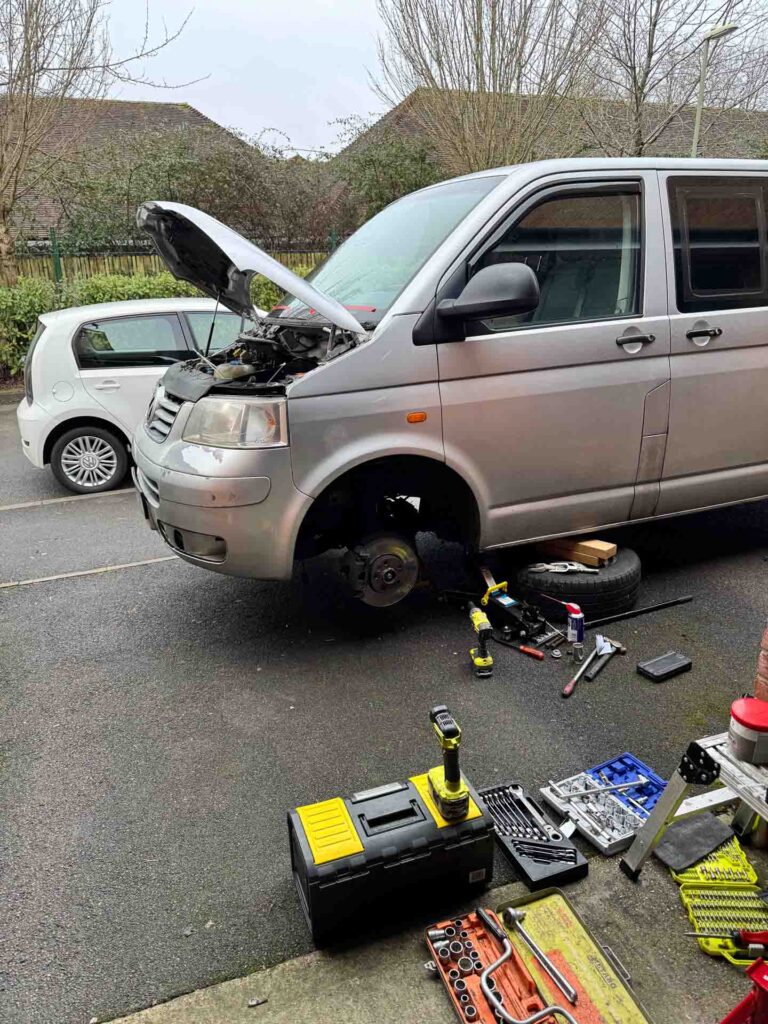
Transporter ownership isn’t always smooth. Vans develop faults, parts wear out, and sometimes problems appear that take time and patience to solve.
Clanky ran the well-known 2.5 litre T5 engine, a motor many Transporter owners appreciate for its torque and character. But over time the van began developing a number of frustrating issues.
Eventually the engine had to be replaced, and after that a series of smaller problems appeared.
The kind that slowly creep in rather than announcing themselves clearly.
Clanky started showing things like:
These types of problems are common with ageing vehicles, especially modern vans filled with electronics.
Situations like this are where garage life VW culture really begins to make sense.
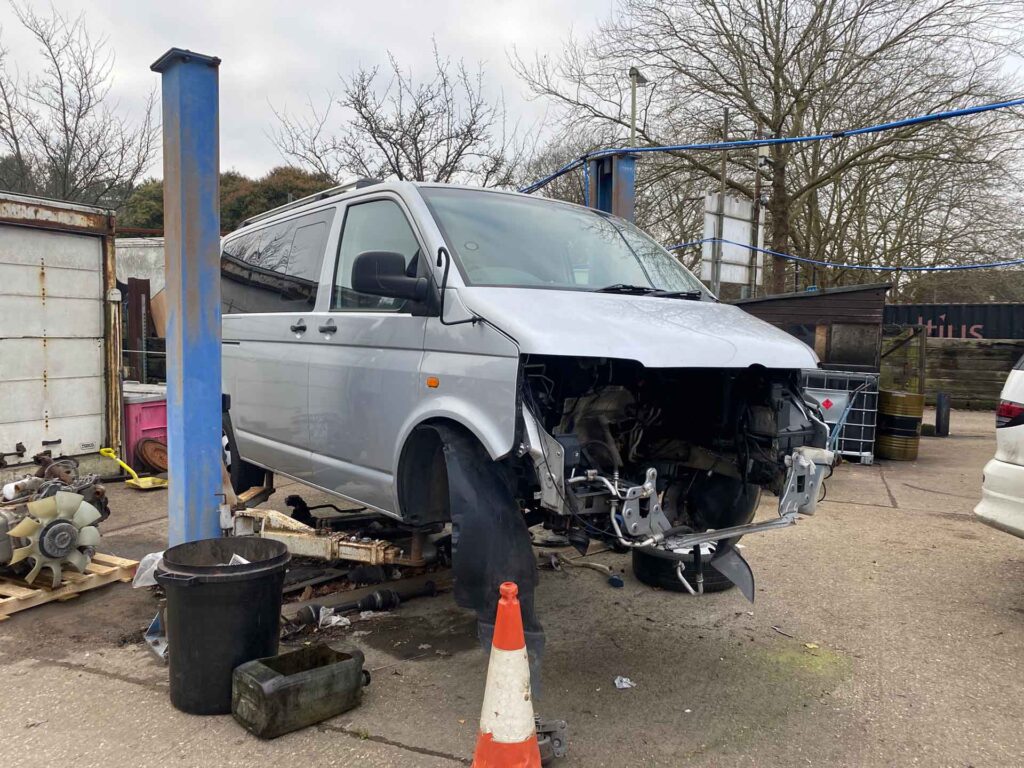
One of the biggest lessons I learned through working on Clanky was that modern vans don’t respond well to guesswork.
Transporters like the T5 rely on multiple sensors and electronic modules communicating across the vehicle. When something goes wrong, the van often knows exactly what the problem is — you just need the right tool to read it.
That’s where a Ross-Tech VCDS HEX-NET diagnostic interface became incredibly useful.
Using VCDS allowed me to connect to the van’s control modules and actually see what was happening behind the scenes.
Instead of replacing parts blindly, I could:
For many modern VW owners, diagnostics like this have become a key part of garage life VW culture.
Link for Ross-Tech VCDS HEX-NET diagnostic interface – Ross-Tech VCDS HEX-V2 USB interface with 2×2 adaptor, 3m USB extension, USB memory stick and case
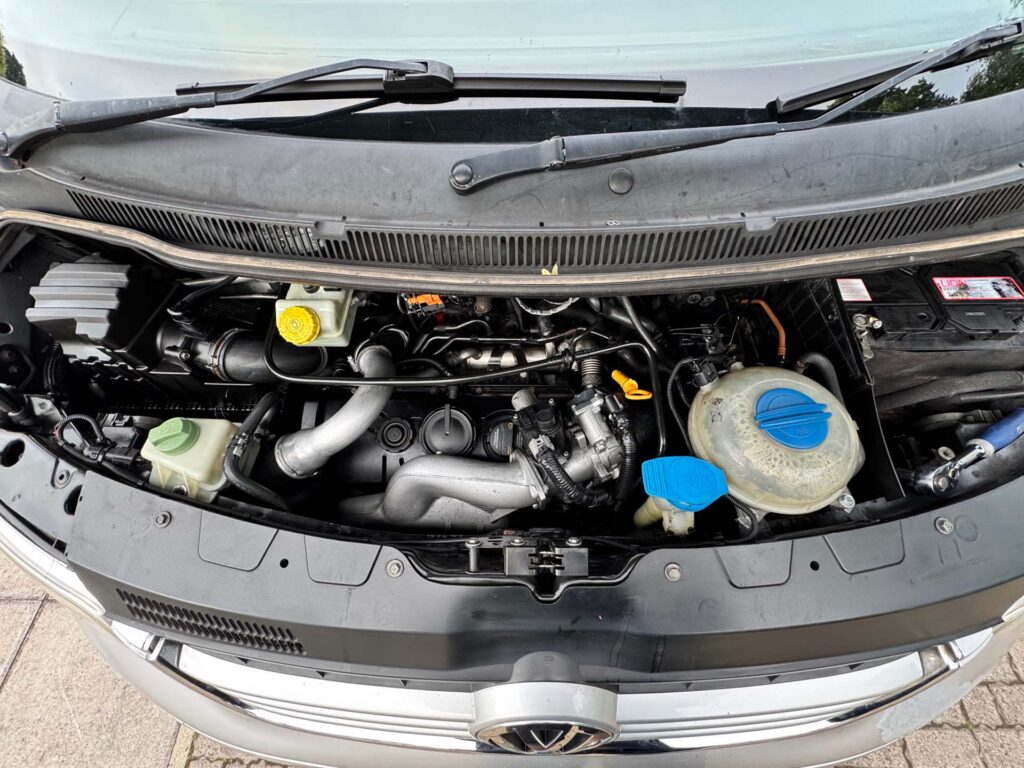
Spending time working on your own van teaches you things that you simply wouldn’t learn otherwise.
At first, Clanky’s faults felt frustrating and confusing. Warning lights would appear without explanation and the electrical issues took time to understand.
But slowly, by working through the faults and learning how the systems behaved, things started to make sense.
Instead of guessing, I could follow the information from the diagnostics and understand what the van was actually telling me.
This process of learning is something many Transporter owners experience. It’s part of the reason the Volkswagen community remains so strong.
People share knowledge, advice, and experience gained from working on their own vans.
In many ways, garage life VW culture is about learning together.
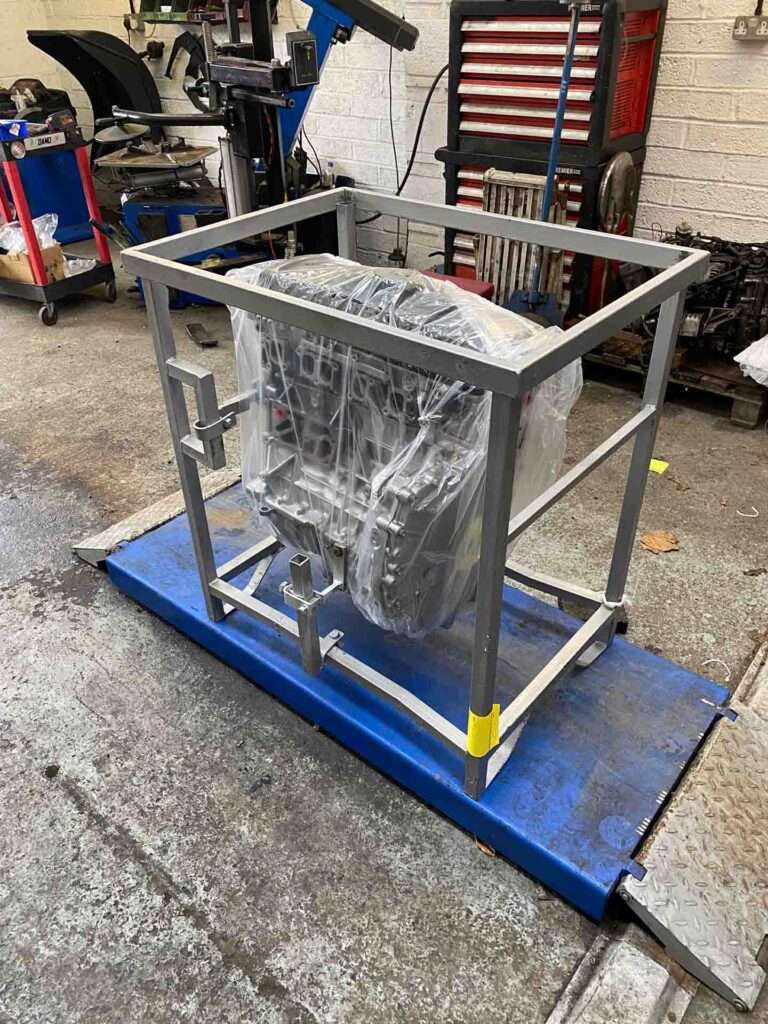
Clanky eventually moved on and is no longer with us.
But the experience of owning that van taught me more about Volkswagen ownership than any perfectly running vehicle ever could.
It was during those evenings in the garage, chasing faults, learning diagnostics, and trying to understand what the van was doing, that I really began to appreciate what garage life VW culture is about.
Sometimes the vans that challenge you the most are the ones that teach you the most.
The garage isn’t just where vans get repaired.
It’s also where friendships and knowledge within the VW community often begin.
Across the UK Transporter scene you’ll often see people helping each other:
That shared effort is one of the things that makes the VW community feel genuine and welcoming.
It’s rarely about having the newest van. Instead it’s about the experience of ownership and the stories behind each vehicle.
Anyone who has owned a Volkswagen Transporter with the 2.5 BNZ engine will understand that it’s rarely a simple relationship.
The engine delivers incredible torque and character, but it can also come with its fair share of electrical gremlins, sensor faults, and late nights trying to track down the next problem. For many owners, that journey becomes part of the story.
Over time those shared experiences have created something of an unspoken community among T5 owners people who understand the challenges and the rewards that come with keeping these vans on the road.
A BNZ brotherhood of sorts.
Because behind every Volkswagen Transporter there’s usually a garage story.
Clanky may be gone, but the experience of owning that van helped shape the idea behind Volkstoff.
Because Volkswagen culture has never just been about the vehicles themselves. It’s about the people, the learning, and the effort that goes into keeping these vans on the road.
Volkstoff exists to celebrate that side of the community.
The real vans.
The real owners.
And the stories that come from spending time in the garage.
For the People. For the Passion.